Prime Highlights:
- GSK has signed a $50 million deal with LTZ Therapeutics to develop new myeloid cell engager cancer treatments.
- The partnership allows GSK to expand its oncology pipeline and enter a fast-growing treatment area already targeted by major pharma companies.
Key Facts:
- The collaboration covers up to four new therapy programs aimed at treating solid tumors and blood cancers.
- Pharma giants like Sanofi, Pfizer, and Novartis have also invested heavily in similar technologies, with Sanofi recently spending $600 million on a related drug.
Background:
GSK has taken a new step in growing its cancer drug pipeline by signing a $50 million deal with LTZ Therapeutics to develop a new type of treatment called myeloid cell engagers. The deal places GSK alongside several leading global drugmakers that are rapidly investing in this emerging therapeutic area.
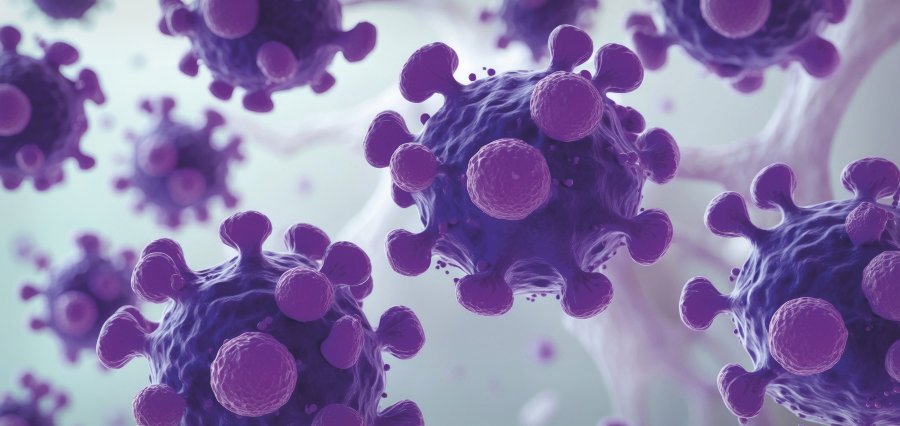
Myeloid cell engagers, like the more established T-cell engagers, are bispecific drugs designed to link immune cells with cancerous or disease-driving cells. The key distinction lies in the immune cell being activated, myeloid cells, which play a key role in shaping the tumor environment, either by suppressing or stimulating immune activity.
Under the partnership, GSK will collaborate with LTZ to develop up to four potential first-in-class myeloid programs targeting solid tumors and blood cancers. In addition to the upfront payment, GSK has also committed to a series of milestone payments tied to clinical, regulatory and commercial progress.
The agreement follows momentum from LTZ’s recent move into human trials with a candidate designed to activate phagocytosis, the immune system’s ability to “consume” harmful cells. Meanwhile, the GSK partnership grants global rights to multiple preclinical programs still under development.
This transaction is the latest in a string of oncology investments by GSK. Just weeks prior, the company secured global rights to a preclinical prostate cancer antibody-drug conjugate from Syndivia in a deal worth up to £268 million. These moves continue a strategy that has seen GSK expand its pipeline through collaborations, including its 2023 alliance with Hansoh, which has already progressed into clinical data stages.
GSK now joins a competitive field of major pharmaceutical rivals investing aggressively in myeloid cell engagement technologies. Pfizer, Novartis and Sanofi have all struck notable partnerships in this area, with Sanofi recently paying $600 million to advance DR-0201, a drug being explored for both cancer and autoimmune diseases such as lupus.
With demand growing for innovative immune-driven cancer treatments, GSK’s latest partnership underscores the increasing importance of myeloid cell engagers as a next-generation therapeutic platform and reinforces the company’s strategy of advancing novel modalities within its expanding oncology pipeline.